Sepulveda Is a Transit Line About Trust
LA Current / Jul 18, 2026 / 4 min read
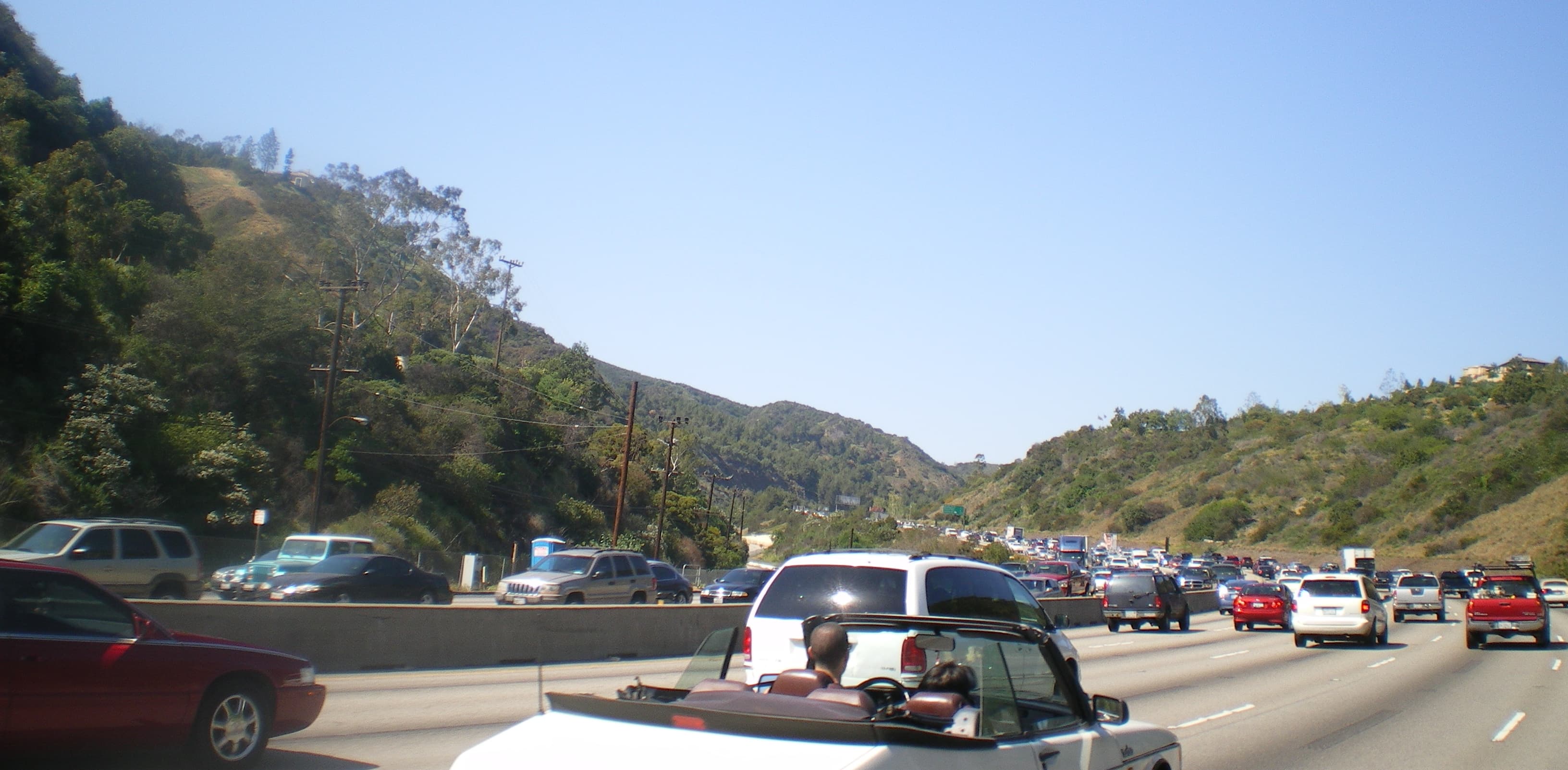
Anyone who has crawled over the Sepulveda Pass already understands the project before Metro explains it. The 405 makes the San Fernando Valley and the Westside feel close on a map and far away in real life. A trip from Van Nuys to UCLA can look simple until it hits the pass, where distance becomes traffic, and traffic becomes a small lesson in how badly Los Angeles still depends on one overloaded piece of freeway.
Metro's Sepulveda Transit Corridor is the attempt to give that trip another form. The agency's environmental documents describe a corridor where travel demand is expected to grow and where a fast rail connection could attract tens of thousands of daily riders, bring new people onto transit, reduce vehicle miles traveled, and connect major destinations such as the Valley, UCLA, and the Westside. The case for the line is easy to understand. The hard part is making the actual project feel real, usable, and worth the disruption required to build it.
In January 2026, Metro said its board had selected heavy rail as the locally preferred alternative while environmental review continued. That phrase can sound bureaucratic, but it matters. A locally preferred alternative is the route and technology the agency wants to carry forward for deeper study and refinement. It does not mean every station entrance, construction method, funding source, or neighborhood impact is settled. It means the argument has moved from broad competing visions into harder questions about how the chosen idea would actually work.
Those harder questions are where public trust gets made or lost. A transit line is not experienced as a line on a map. It is experienced as a station someone has to find, a platform someone has to reach, a transfer someone has to tolerate, a construction site someone has to live beside, and a fare someone has to believe is worth paying. Heavy rail through the pass may be the strongest technology for speed and capacity, but even a strong technology can be weakened by awkward stations, bad transfers, hidden cost growth, or years of unclear messaging.
Metro has already named some of the issues still ahead: phasing, maintenance and storage, value engineering, possible public-private delivery, design refinements, and the interface with the G Line in Van Nuys. None of that sounds as exciting as a train under the mountains. It is also the part that decides whether the train becomes a legible part of daily life. Maintenance yards have to go somewhere. Transfers have to feel direct enough that people use them. Cost savings have to avoid quietly making the rider experience worse. A public-private delivery model has to make accountability clearer, not blurrier.
The Sepulveda fight loses its usefulness when it collapses into a personality contest between subway, monorail, neighborhood preference, and agency confidence. Every version of the project has consequences in concrete. Station depth affects how long it takes to get from sidewalk to train. Tunnel alignment affects who sees construction and for how long. Ventilation, utilities, emergency access, and staging areas decide which streets feel the project before anyone rides it. These are design questions as much as engineering questions because they shape whether people will believe the system belongs to them.
The promise is still enormous. A reliable rail trip through the pass could change the map people carry in their heads. UCLA could feel less isolated from the Valley. A Valley rider could reach the Westside without first surrendering to the freeway. The city could learn, in one very visible corridor, that big transit does not have to remain a fantasy or a punishment.
Metro's project page still describes Sepulveda as in planning and environmental review, with an updated construction timeline to come. That caution is fair. It also leaves a lot of room for doubt. Los Angeles has heard many long promises about mobility. The Sepulveda line will earn belief through specifics: where the stations go, how the transfers work, what construction asks of neighborhoods, how the budget is explained, and whether the finished trip is obviously better than sitting on the 405.
Further Reading
View the sources for this article
- Los Angeles
- Metro
- Sepulveda Pass
- transit